

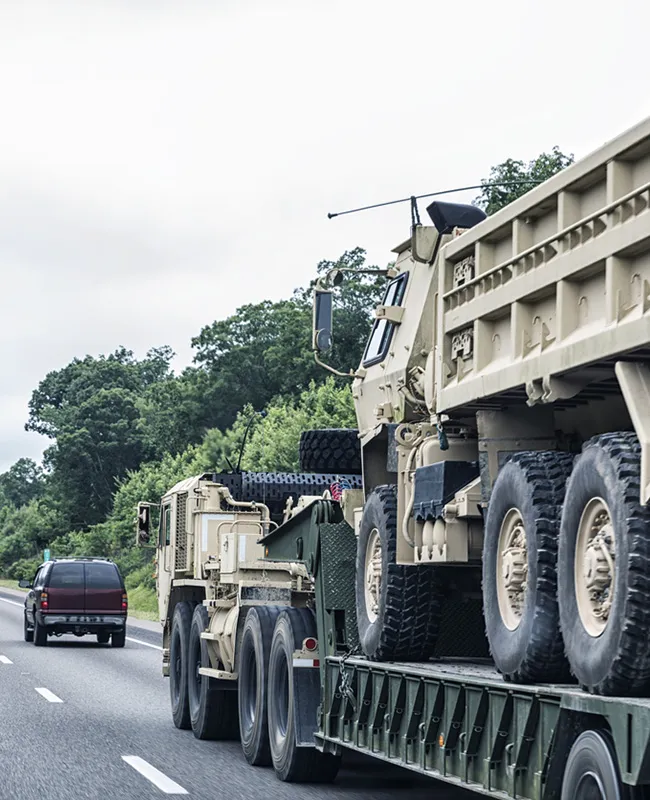
An ammunition or explosives load is only as safe as its block and brace. The container itself is rated; the pallets inside have known dimensions; but if the cargo is allowed to shift inside the container during ocean transit or highway impact, the regulatory and physical consequences are severe.
Ramar runs ammunition-grade container preparation as a formalized service — purpose-built for Class 1.1 and 1.4 freight that will transit by ocean vessel, by rail, or by long-haul truck. We brace cargo to MIL-STD-1660 dimensions, use lumber and dunnage stocks rated for the impact regime, and document the bracing pattern photographically for every container.
We also source ammo-grade containers directly through partnered suppliers. Most freight forwarders procure containers through one or more middleman layers — a freight intermediary, a container leasing broker, sometimes a separate inspection vendor. Ramar replaces those layers with a direct supplier relationship: when the operating timeline calls for ten ammo-grade boxes by Friday, we have the inventory access to make that happen without adding a third-party desk to the chain. That is the integrated-operator model extended one step upstream — direct sourcing, direct prep, direct execution.
This is the service that distinguishes a defense-grade carrier from a commercial drayman. Most carriers can lift and place a container; few can certify that the contents inside it will arrive in the same configuration they left, and fewer still can put the container on the dock when you need it.